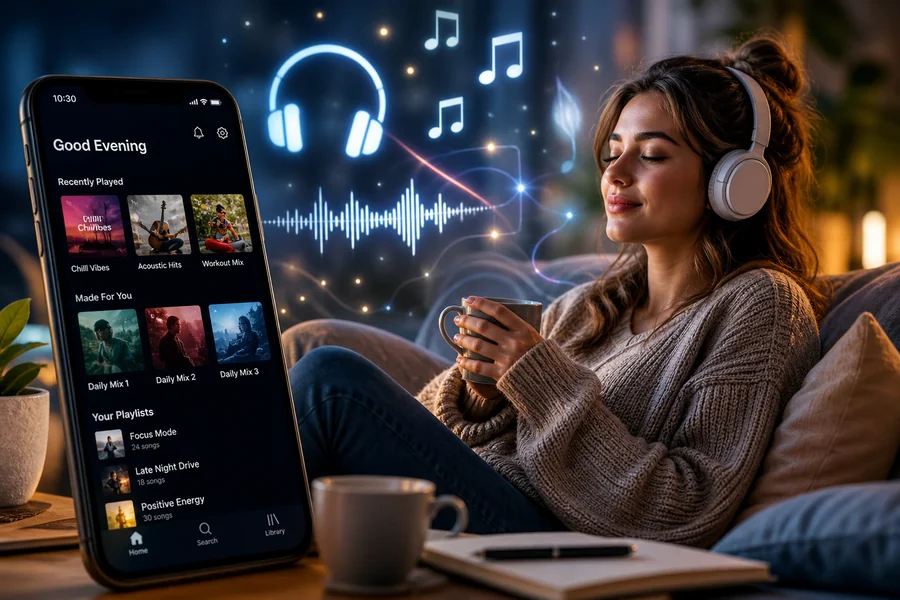
There is a reason why certain songs can be played over and over again without ever feeling repetitive. Sometimes it has nothing to do with an artist being viral, and sometimes it is not even about a song topping the charts. More often, the songs that stay with people the longest are the ones that arrive at the right moment. Some tracks become part of a morning routine, some are played during late-night work sessions, and others quietly become attached to personal memories. That is where music creates something few other forms of digital entertainment can offer—a deeply personal connection.
Over the last several years, the way people experience music has changed dramatically. There was a time when listeners had to manually download audio files, collect albums, or wait for their favorite songs to appear on radio stations. Today, everything happens instantly. New releases can be discovered within seconds, playlists can be built around mood or activity, and personalized recommendations continue evolving based on individual listening behavior. As digital habits continue expanding, many users who originally came online simply to discover music or follow new releases eventually find themselves exploring broader digital communities with stronger interaction. In that process, platforms such as slot gacor terbaru have also started appearing across highly active entertainment ecosystems, reflecting how modern internet users often move between different forms of interactive digital experiences.
Music Has Become Part of Everyday Digital Lifestyle
One of the biggest shifts in modern music culture is that music is no longer something people only enjoy during their free time. It has become part of everyday routines. People listen to music while working, studying, exercising, driving, traveling, or simply looking for inspiration. Music is no longer just background entertainment. It has become a tool for focus, emotional balance, and personal energy throughout the day.
This is exactly why personal playlists have become more important than ever before. Many users now create different playlists for different situations. Some build playlists for productivity, others for night drives, workouts, relaxation, or nostalgia. These habits have made the relationship between listeners and music far more personal than it was in previous generations.
Streaming Platforms Have Completely Changed Music Discovery
One of the biggest transformations in the industry has come from streaming platforms. In the past, discovering new music often depended on recommendations from friends, radio stations, television programs, or physical media. Today, algorithms play a much bigger role in shaping what people listen to.
The more a person listens to a certain genre, the better the recommendations become. The more often users build playlists, save favorites, or skip tracks, the more accurately platforms understand their preferences. This creates an experience that feels less like browsing and more like being understood.
Because of that, many listeners now explore genres they may never have considered before. Independent artists, international music scenes, and emerging creators can now reach audiences much faster than ever before. Streaming has not only changed access to music—it has changed the way listeners build their taste.
Digital Communities Make Music Feel More Alive
Years ago, music was often experienced privately. Today, communities play a much bigger role in how songs grow, spread, and become part of digital culture. People now share playlists, discuss lyrics, post reactions, create short-form content, and build conversations around artists and releases they care about.
This kind of interaction gives music a second life beyond the audio itself. A song is no longer just something people hear. It becomes part of online identity, shared experiences, and cultural conversation.
Interestingly, many users who actively participate in music communities often expand into other international digital ecosystems as well. Through that journey, platforms such as slot luar negeri have also gained visibility among users who are already comfortable navigating global online communities, multilingual audiences, and high-engagement digital spaces.
Artists Are Now Closer to Their Audiences Than Ever Before
Another major shift in modern music culture is how close artists have become to their audiences. In the past, musicians often connected with fans only through albums, interviews, or live concerts. Today, that relationship is far more direct.
Artists now share teasers, behind-the-scenes content, live sessions, and creative updates directly through social platforms. Fans no longer follow just the music—they follow the journey behind the music.
This creates stronger emotional loyalty. When listeners feel connected to an artist’s story, the music often becomes more meaningful. They do not just support a song. They support the creative process, the personality, and the growth behind the artist.
That kind of connection is one of the biggest reasons why music continues staying relevant even as digital trends constantly change.
Music Taste Has Become Part of Digital Identity
In today’s social media culture, music has also become part of personal identity. The songs people share on stories, the playlists they post with friends, and the soundtracks they choose for short videos often say something about who they are.
Many people today are recognized by the kind of music they listen to.
Without realizing it, music has evolved far beyond entertainment. It has become part of how people express themselves, connect with others, and build identity in the digital world.
And that is exactly why, even in a world filled with endless content, music continues holding a place that few forms of entertainment can truly replace.